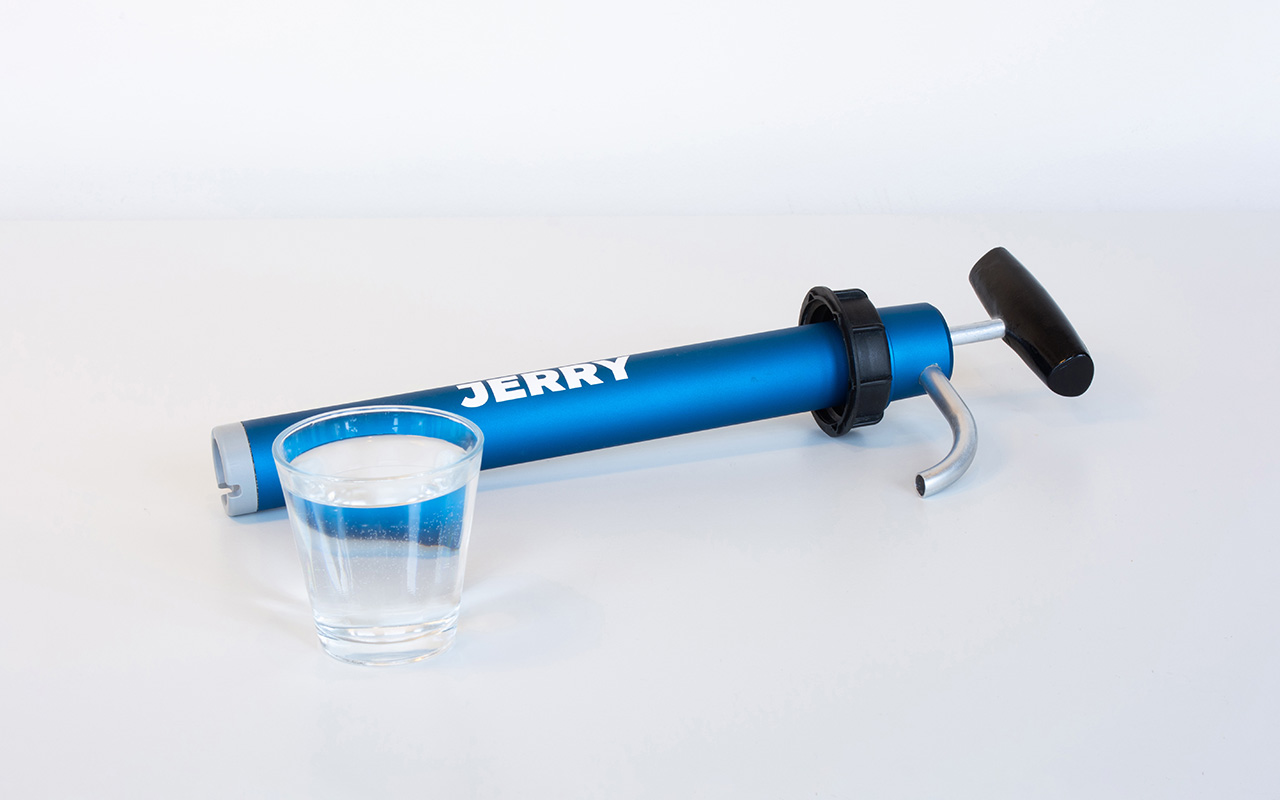
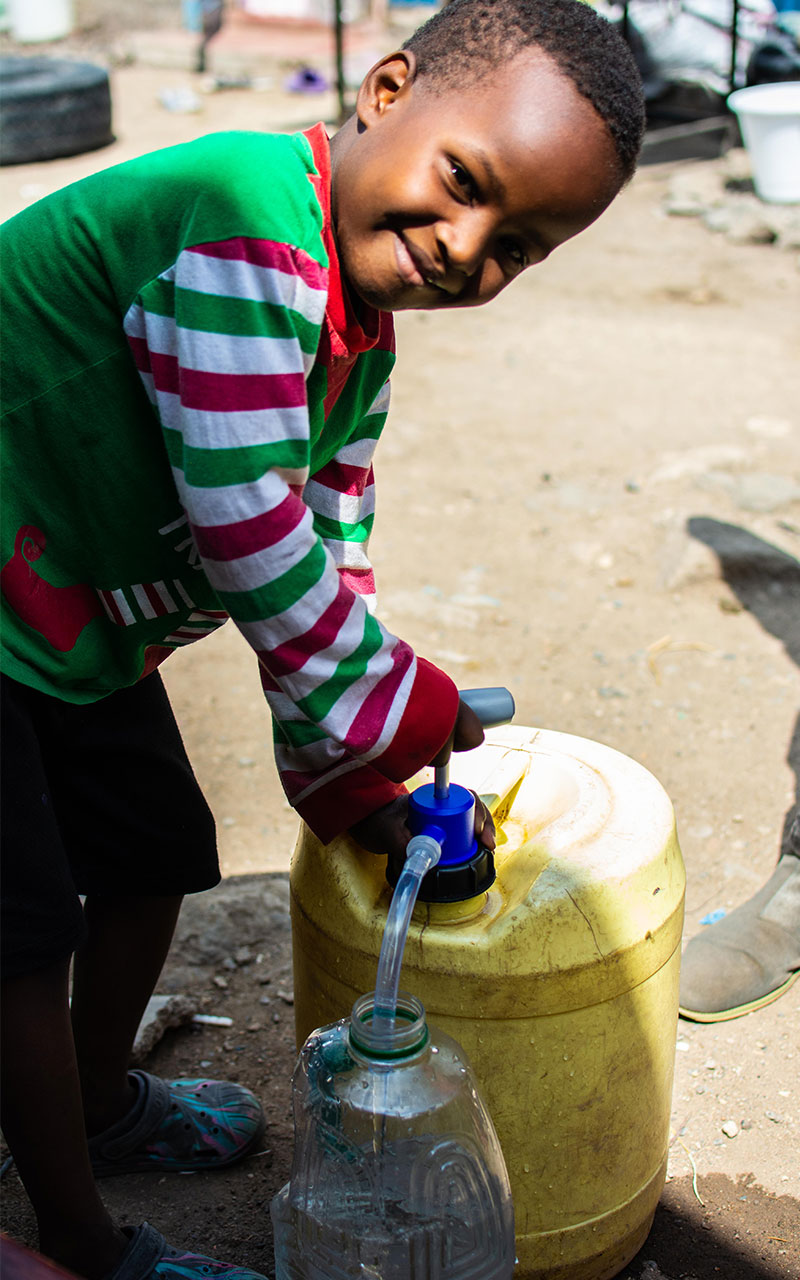
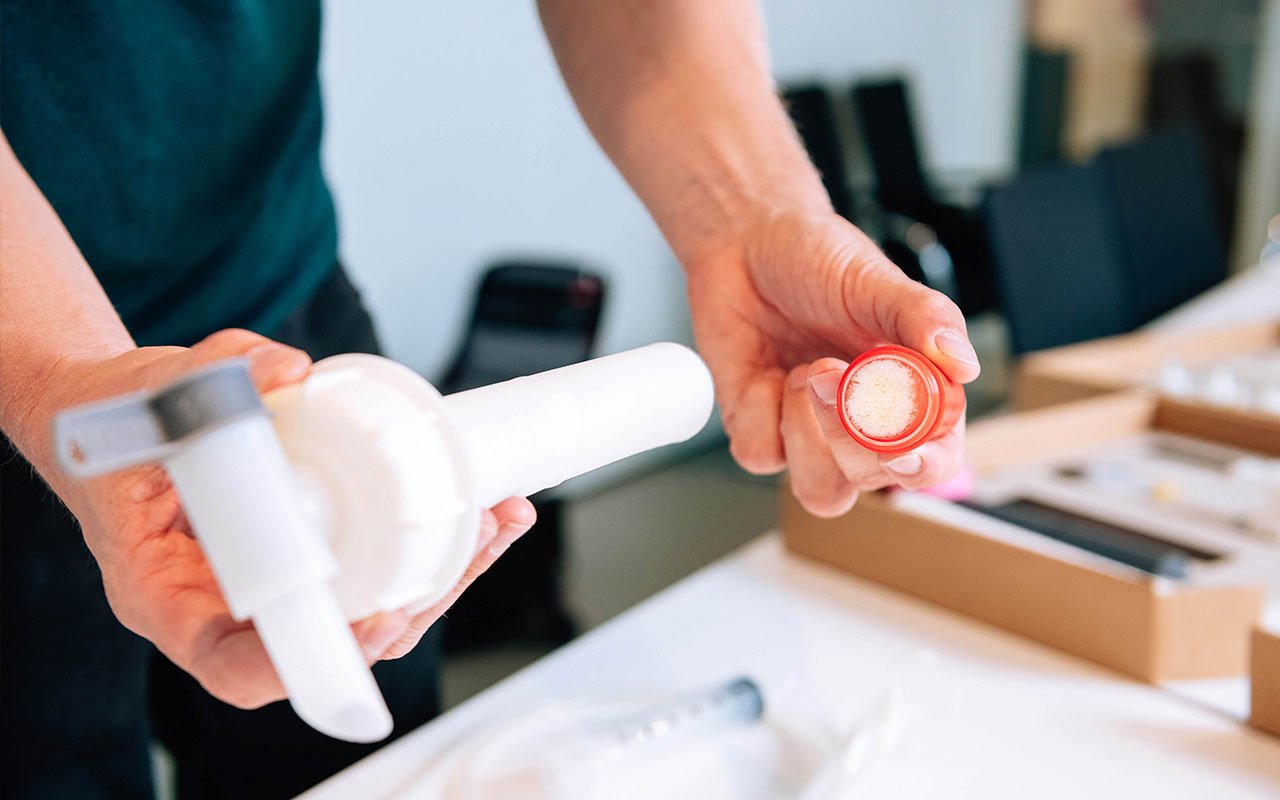
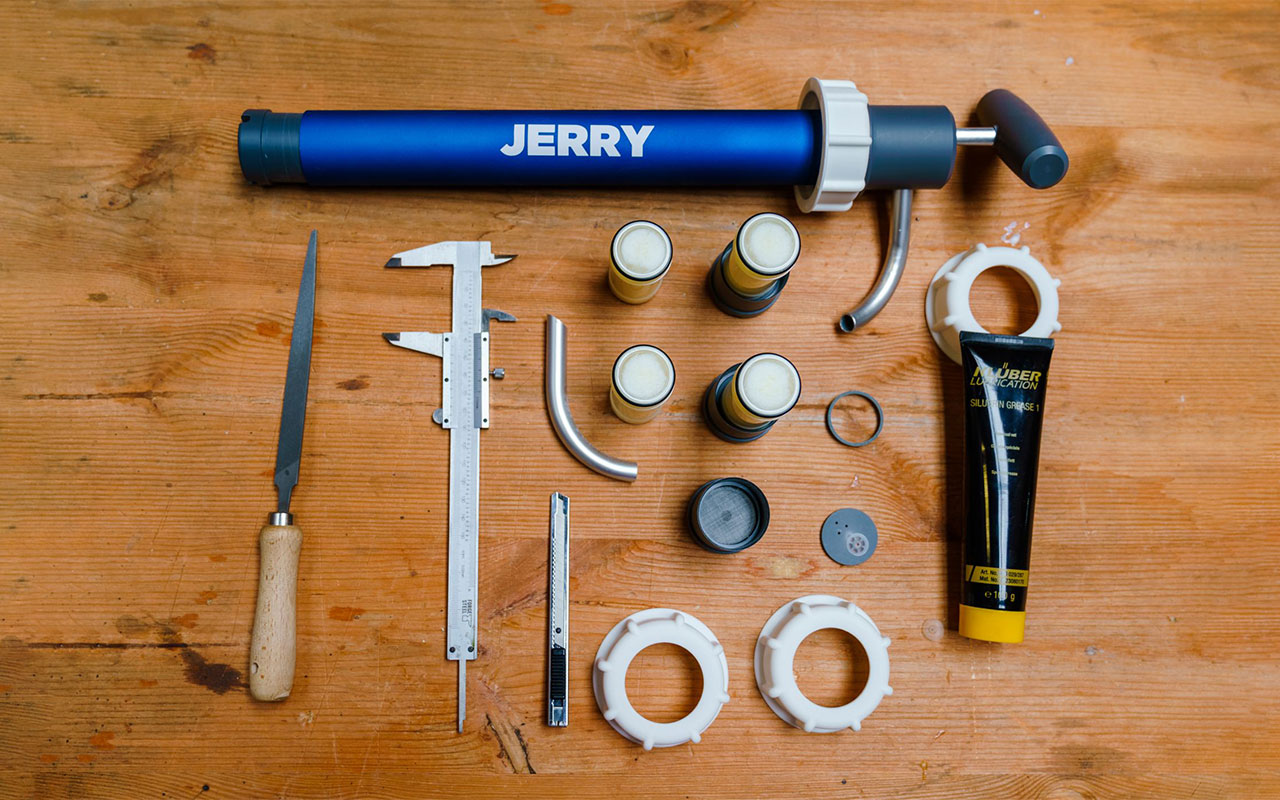
Although safe drinking water is recognised by the United Nations as a universal human right, 785 million people still lack basic access. Contaminated drinking water causes nearly half a million diarrhoeal deaths each year—most of whom are children under the age of five (WHO, 2019). After personally witnessing the impact of water scarcity, Olivier de Gruijter initiated the development of an affordable and user-friendly water filtration system. This mission led to the creation of JERRY—a jerrycan-compatible water filter that transforms everyday water containers into simple, accessible sources of clean drinking water. Once attached, the system serves as both a filter and a tap.
In many regions, jerry cans play a central role in local water infrastructure—they are used to transport and store drinking water. This context shaped the design: the filter is built to integrate directly with jerry cans, allowing users to treat water that may be contaminated in a simple and safe way.
Responsibilities
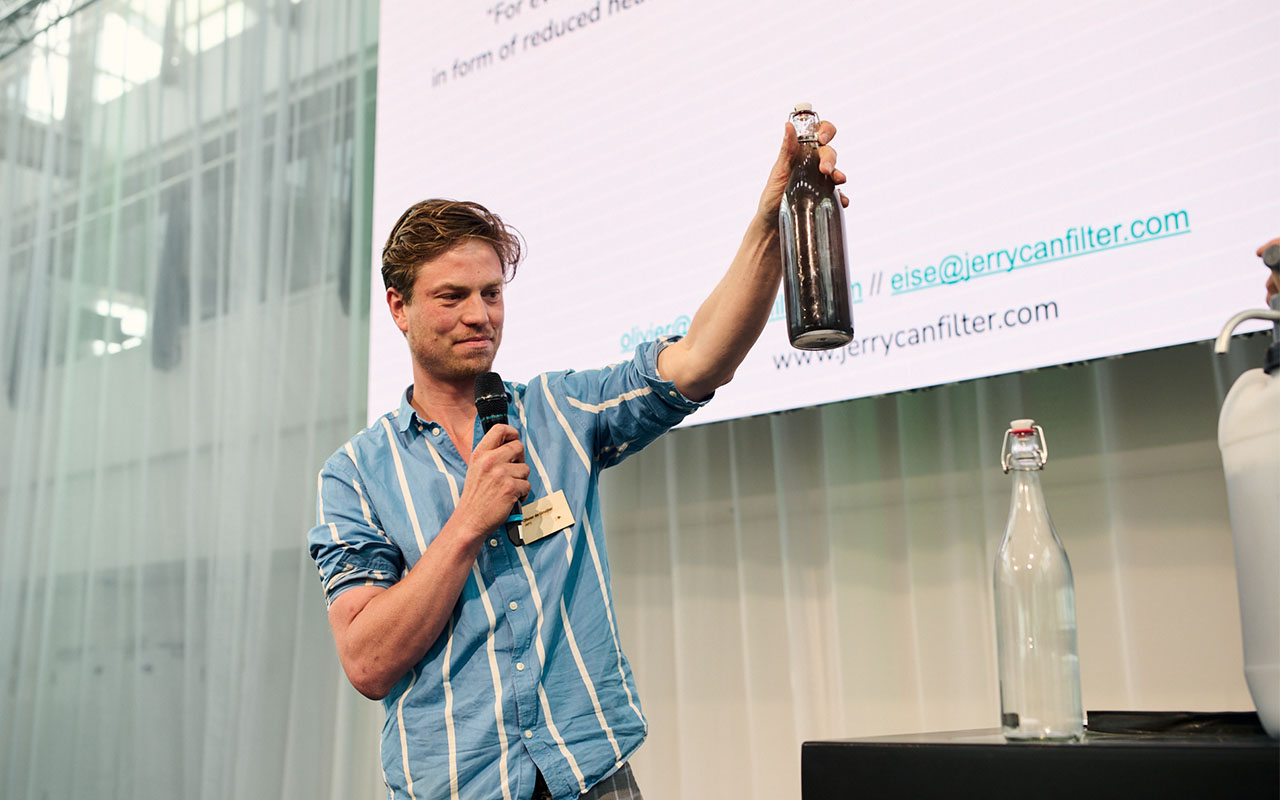
In 2019, Olivier de Gruijter co-founded the social enterprise Forthemany with Eise van Maanen, aiming to deliver innovative solutions for water purification. The product has been developed through an iterative design process, in collaboration with a wide range of partners—including NGOs, academic institutions, foundations, and end-users.The JERRY water filter has been rigorously tested and validated through field trials in Kenya, Ethiopia, Iraq, and Gaza, ensuring both functionality and real-world impact.
More
Iterative Design Process
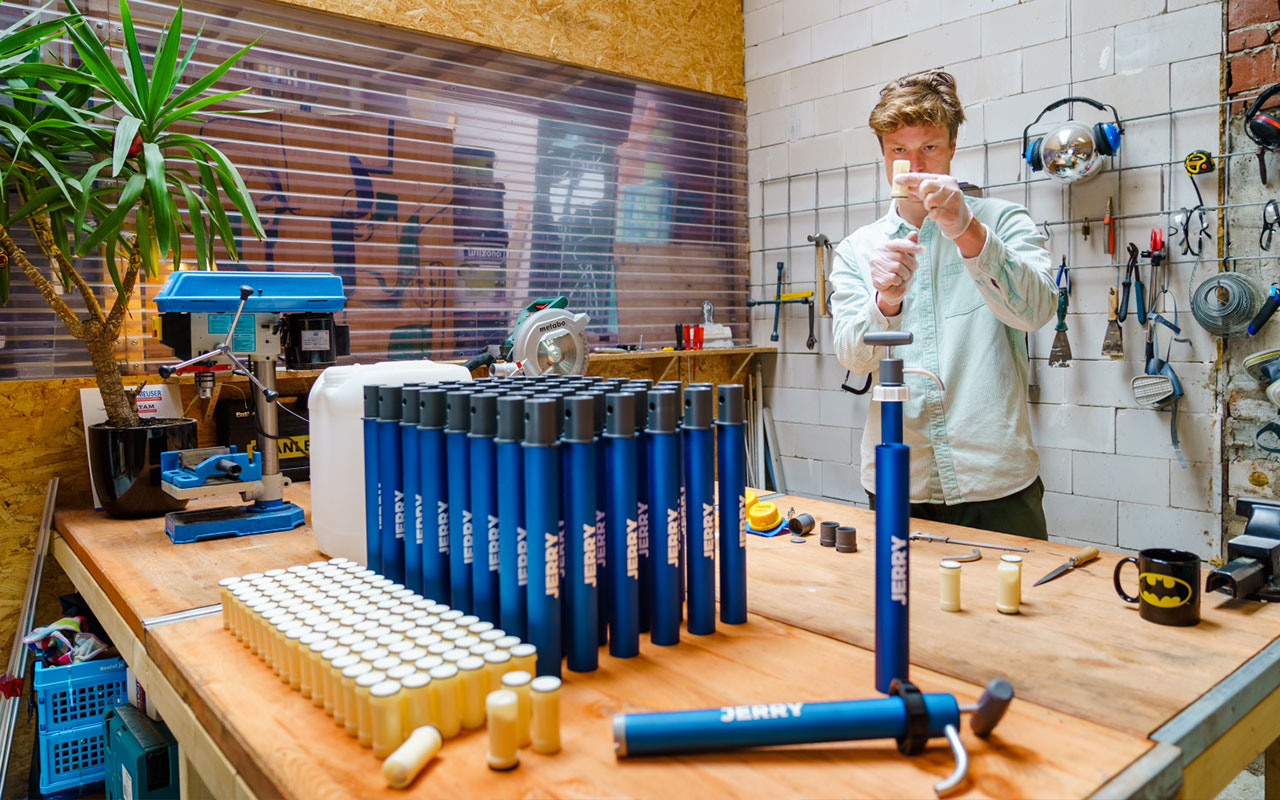
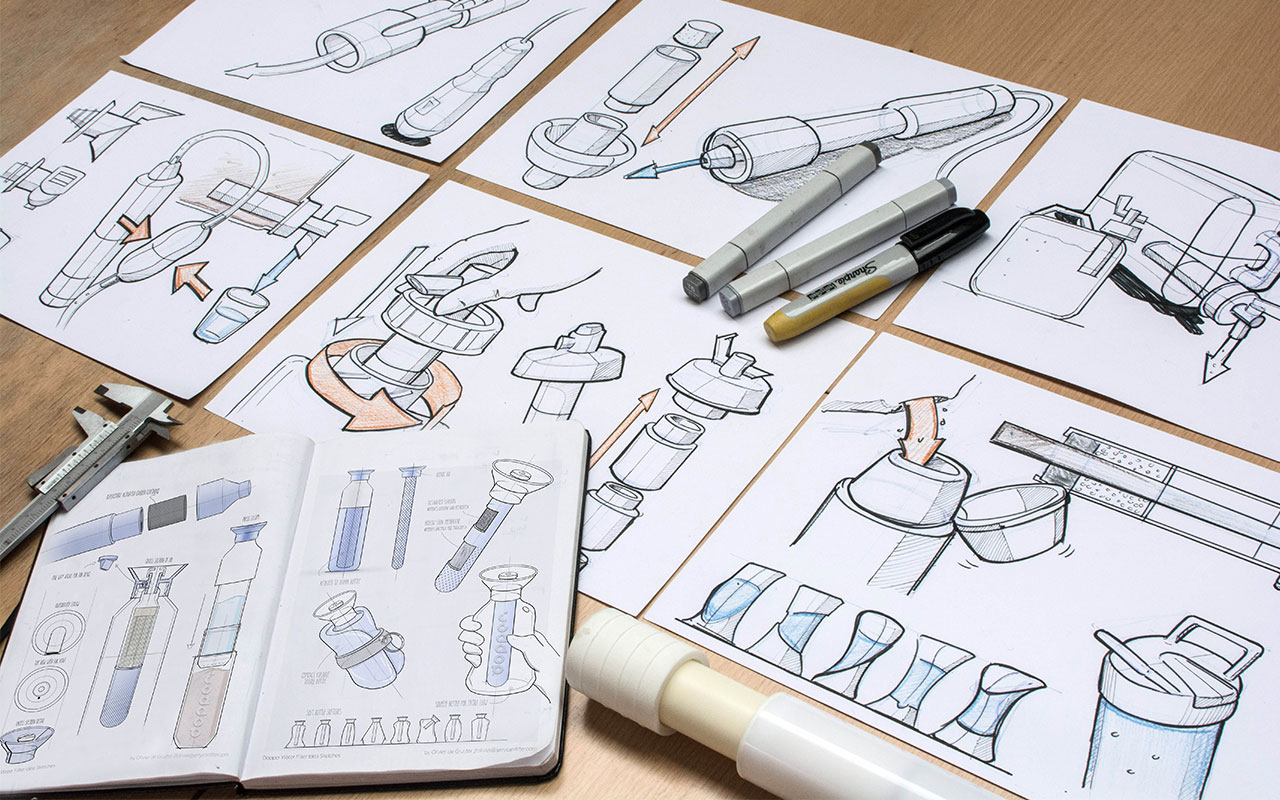
The development of the jerrycan water filter has been carried out in close collaboration with Delft University of Technology through an iterative design process. Dozens of increasingly refined prototypes have been produced and tested to ensure performance, usability, and durability. The project has received technical and financial backing from Aqua4All, enabling a comprehensive feasibility study.
Product Pilots
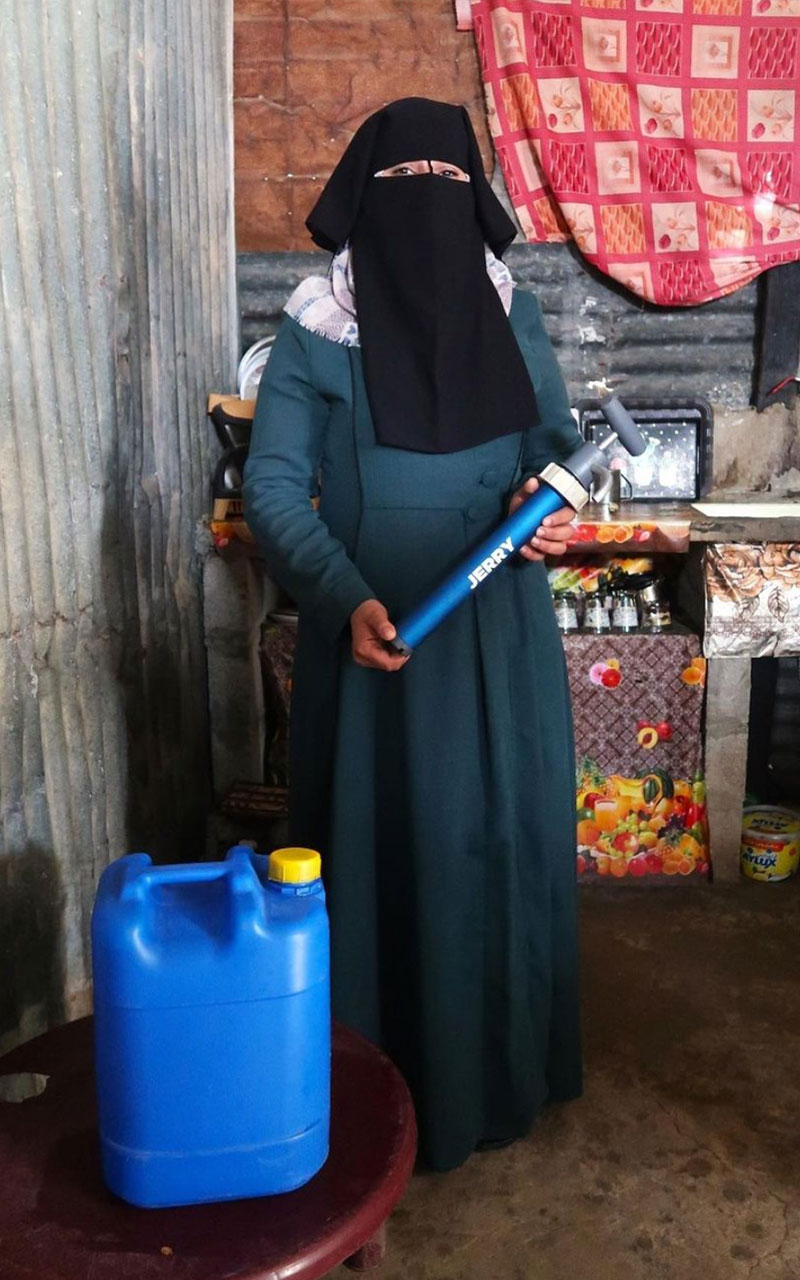
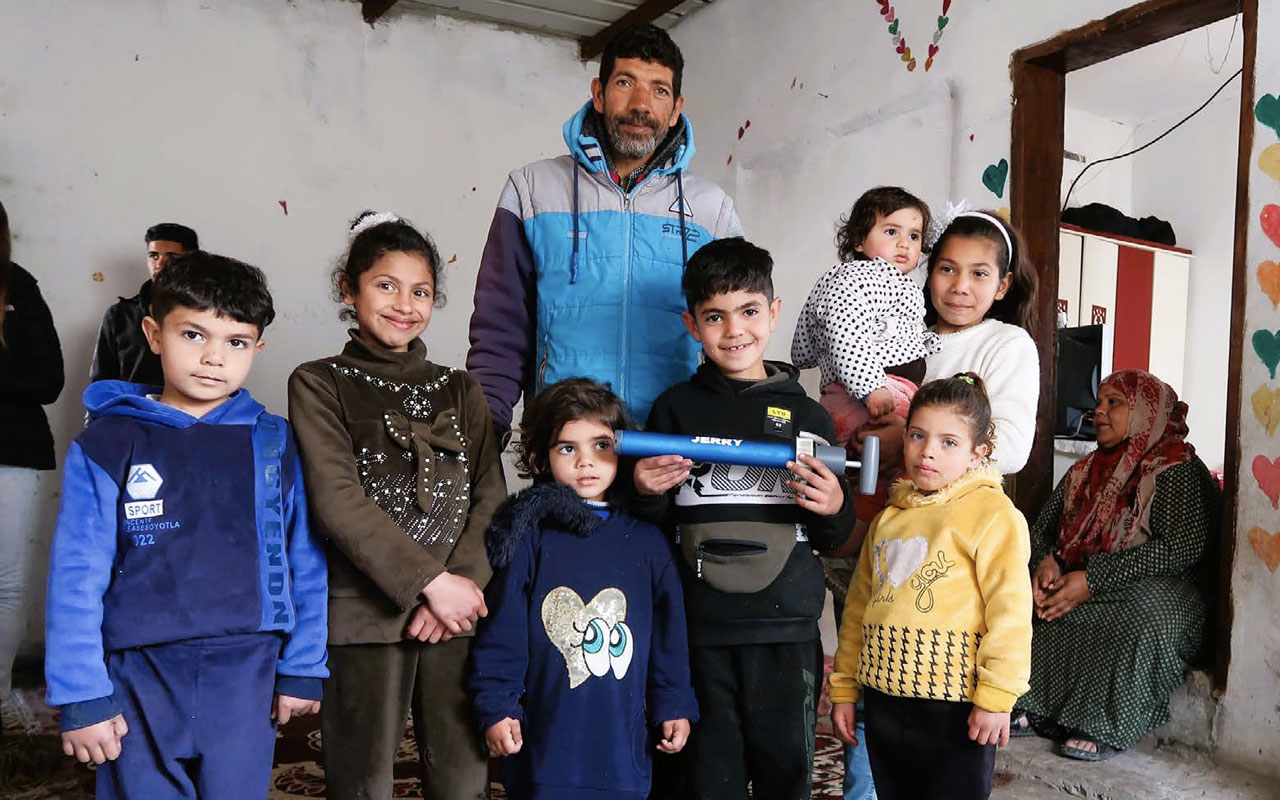
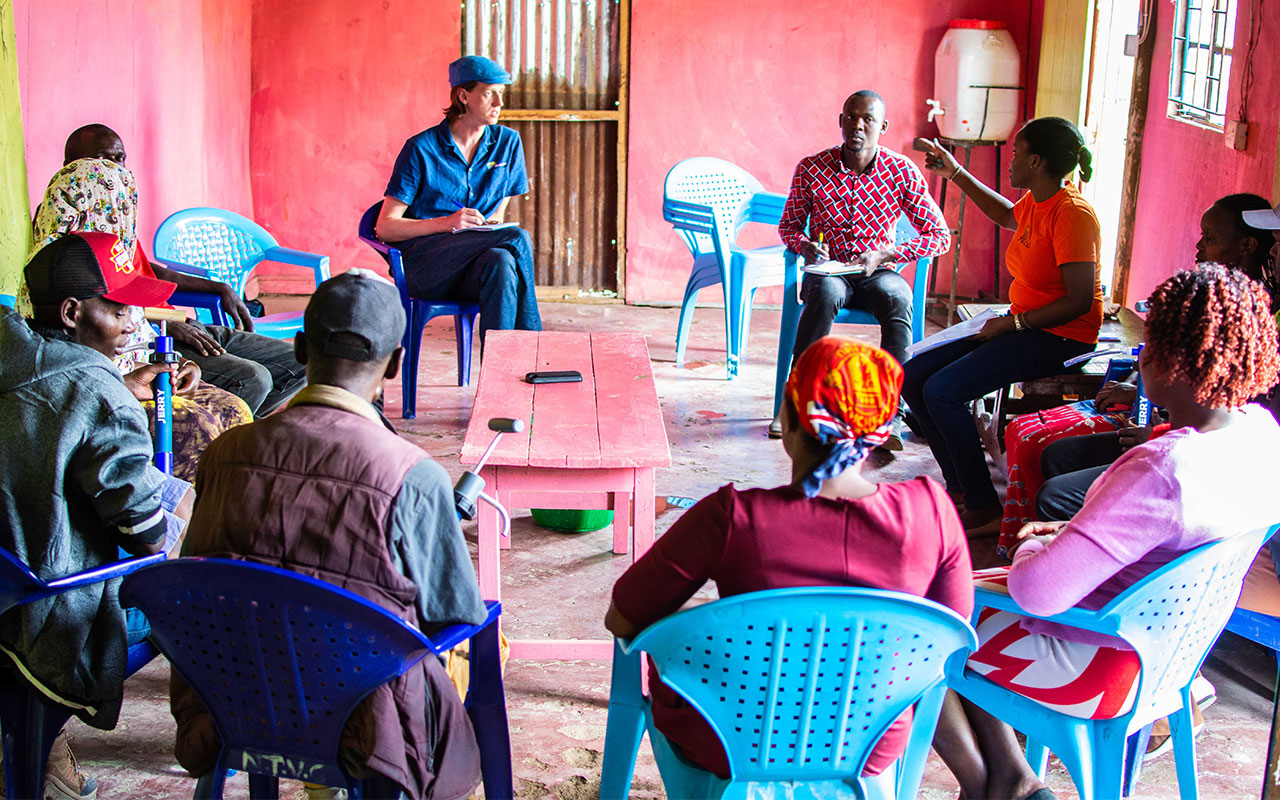
To validate key assumptions and co-create with target users, extensive field pilots have been conducted in Kenya, Ethiopia, Iraq, and Gaza. These pilots were carried out in partnership with organisations such as Oxfam, Cesvi, and Bopinc.Rather than designing for users, the project has focused on designing with them. End-users actively participated in testing, sketching, and refining the product throughout the development process. The pilot phase included:
Household testing in 200 homes across Kenya, Ethiopia, Gaza, and Iraq
A survey with over 250 respondents in Kenya
Focus group discussions involving 25 participants in Kenya
These efforts ensured that user needs and preferences were directly embedded into the final design.